
What Is the Best Time of Year to Sweep a Chimney?
What time of year should you sweep a chimney? Spring or summer, after regular fires end and before you need the fireplace again, is the practical window. Sweeping then leaves time to address buildup or repairs before the next heating season.
Need help now? (385) 243-7715
What Time of Year Should You Sweep a Chimney You Use Regularly?
Spring and summer are useful times to arrange a chimney sweep because you can deal with soot and creosote after the main period of fireplace use. You also have time to follow up on any condition that needs attention before lighting the next fire.
You do not need to wait for a particular month. Arrange service after a period of regular use, or sooner if smoke behaves differently, deposits are visible, or you suspect damage. A chimney that is ready before the first fire is easier to plan around than one that raises a concern during cold weather.
The right timing depends on how much you burned and what you notice in the fireplace. A sweep can check the condition and explain which work is needed; Garrett Sullivan, the owner, has 16 years of experience with chimneys and fireplaces.
Choose a Chimney Cleaning Window That Fits Your Fireplace
Use the season as a planning tool, not as a substitute for checking the chimney. These options help you decide whether to schedule routine service or act sooner.
Spring or summer: plan ahead
This is a practical window after regular fires end. Arrange cleaning and follow up on any maintenance findings while you are not relying on the fireplace.
Before your first fire: check readiness
If the fireplace has been unused for months, look for debris or signs of moisture from a safe position. Schedule a sweep before use if you see deposits, an obstruction, or damage.
During the heating season: respond to signs
Do not wait for spring if smoke spills into the room, a fire draws poorly, or you notice heavy deposits. Stop using the fireplace until a chimney sweep checks the cause.
Seven Safe Checks to Make Before Scheduling a Sweep
These checks help you describe the fireplace and the issue clearly. Stay on the ground and do not climb onto the roof or try to remove deposits from inside the flue.
- Note the last period of use — Write down roughly when you last used the fireplace and whether you burned wood regularly. This helps the sweep understand the recent use pattern.
- Describe any change in performance — Record when smoke spills into the room, the fire struggles to draw, or an odor appears. Check whether the symptom happens every time or only under certain conditions.
- Look into the firebox with a flashlight — With the fireplace cold, use a flashlight to view the firebox and the visible damper area. Note loose brick, fallen debris, or thick black deposits; do not reach into the flue.
- Check for visible moisture or debris — Look for damp patches, pieces of masonry, leaves, or other material in the firebox. Keep the fireplace out of use if debris appears to block the passage.
- View the chimney cap from the ground — Use binoculars only if you have them and can stand safely on the ground. Note an obviously missing or displaced cap, but do not use a ladder or try to repair it yourself.
- Share the details when booking — Tell us whether the fireplace burns wood, when it was last used, and what you observed. Use the contact form or call (385) 243-7715 to arrange service.
- Ask what the findings mean — After the visit, ask which areas were checked, whether deposits remain, and whether any repair is needed before use. A clear explanation helps you distinguish routine cleaning from a separate repair.
Need help now? (385) 243-7715
Signs Your Chimney Should Be Swept Before the Next Season
A calendar reminder is not the only reason to schedule service. Visible buildup, obstruction, or a change in fireplace performance can make earlier attention important.
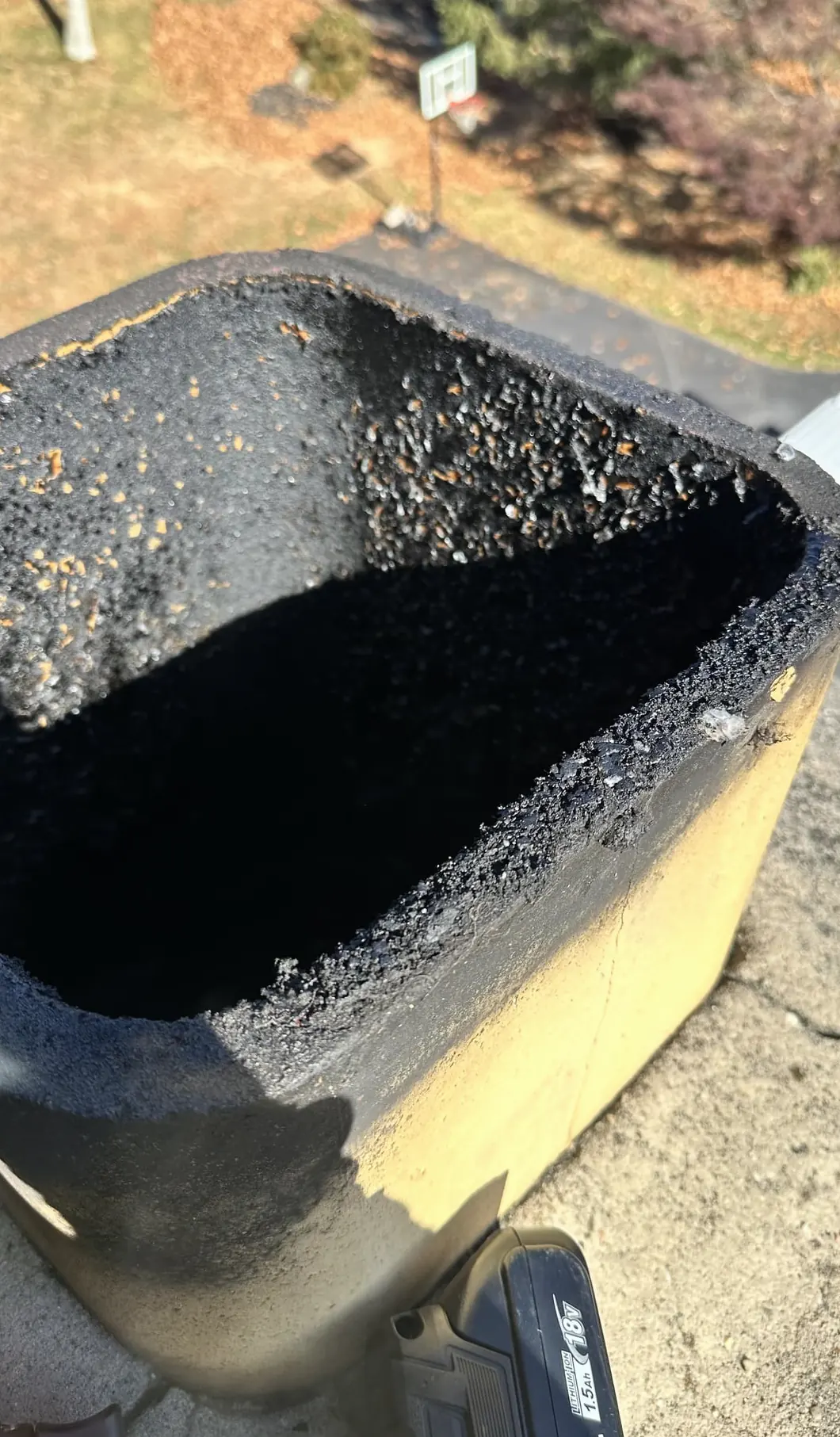
- Thick or flaky deposits — Black, shiny, or flaky material in the firebox or visible flue can indicate creosote buildup. Avoid scraping it yourself; a sweep can assess the deposits and remove them with suitable equipment.
- Smoke entering the room — Smoke that spills indoors points to a draft or ventilation problem, not simply a convenient cleaning date. Stop using the fireplace and arrange an inspection.
- Debris or a possible obstruction — Leaves, nesting material, or fallen masonry can restrict the flue. Do not light a fire to test it; have the passage checked first.
- A recent chimney event or change — After a suspected chimney fire, impact, or other event that may have damaged the chimney, do not use it until it has been inspected. A change to the fireplace or its equipment can also call for a closer inspection.
Use Annual Inspection Guidance to Set Your Cleaning Plan
The Chimney Safety Institute of America’s homeowner resources explain that NFPA 211 calls for chimneys, fireplaces, and vents to be inspected at least once a year. An inspection checks condition; sweeping is needed when deposits or other findings call for cleaning, so the two tasks are related but not identical.
CSIA also identifies creosote deposits around 1/8 inch thick as a point at which sweeping is needed. A flashlight check can reveal visible buildup, but it cannot show the full length or condition of the flue. Ask a chimney sweep to assess the passage rather than treating a quick view from the firebox as a complete check.
That annual guidance does not mean every chimney needs the same amount of cleaning at the same time. How often you burn and what an inspection finds both matter. For a closer look at the distinction between these services, read about our chimney sweep service.
How the Chimney Sweep Visit Affects Your Schedule
The work involved affects the time on site. An accessible flue with light deposits involves less work than heavy buildup, difficult access, or a visit that also needs a video inspection or repair. The season itself does not tell you how long your fireplace will take.
When arranging service, describe the fireplace type, recent use, and any symptoms so the planned work can be understood. Ask what the visit covers and how long that work is expected to take. Utah Chimney Sweep explains the work clearly and recommends only services a homeowner needs.
Chimney sweep service starts at $89. For a broader look at the factors that affect the price, see our guide to chimney sweep costs in Utah.
Need help now? (385) 243-7715
Schedule Before the Next Fire or Stop Using a Problem Fireplace
For routine planning, arrange a sweep in spring or summer after regular fires end, then address any findings before using the fireplace again. If you notice smoke spillage, an obstruction, heavy creosote, or possible damage, stop using the fireplace and contact a chimney sweep instead of waiting for the seasonal window.
We serve Salt Lake City and towns across the Wasatch Front within 60 miles, and we are open 24 hours a day, 7 days a week. Share what you observed through the contact page so we can arrange the next step.
Frequently asked questions
Is spring better than fall for chimney sweeping?
Spring or summer gives you time to address cleaning or repair needs before you rely on the fireplace again. You can also arrange service before your first fire of the season if you missed that earlier window.
Should I wait until spring if my fireplace is smoking now?
No. Stop using the fireplace and arrange an inspection if smoke spills into the room or the draft changes. Waiting for the usual seasonal window could leave an active problem unaddressed.
Does a gas fireplace need a chimney sweep?
A gas fireplace and its venting still need inspection because components can become damaged or obstructed. The appropriate cleaning or service depends on the appliance and the condition found.
How long should I set aside for a chimney sweep visit?
The time depends on access, deposits, and whether the visit involves inspection or other work in addition to sweeping. Describe your fireplace and any concerns when booking, then ask how long the planned work is expected to take.
Get Your Chimney Ready Before the Next Fire
Arrange a chimney sweep with Utah Chimney Sweep. Call (385) 243-7715 or use our contact form.