
How to Prepare Your Chimney for Winter in Utah
To prepare your chimney for winter in Utah, check the firebox and damper, confirm the flue is clear, and use dry firewood before lighting your first fire. We can sweep the chimney and inspect what needs attention; see our chimney sweep service.
Need help now? (385) 243-7715
How to Prepare Your Chimney for Winter in Utah
Start with the fireplace cold and unused. Look over the parts you can see from inside the room, then arrange a professional chimney sweep or inspection if you find damage, heavy deposits or anything that blocks the flue.
A yearly inspection is a useful baseline even when the fireplace seemed to work normally last season. The Chimney Safety Institute of America’s homeowner guidance cites NFPA 211’s recommendation for an inspection at least once a year, and says a sweep is needed when creosote deposits reach 1/8 inch.
Do not treat a clear view from the fireplace as proof that the whole chimney is sound. A blockage or defect higher in the flue may not be visible from the room.
Seven Checks to Make Before Your First Winter Fire
- Let the fireplace cool completely — Do not inspect or handle ash while it is warm. Once everything is cold, check that embers are out before clearing the firebox for a closer look.
- Use a flashlight on the firebox — Look at the firebrick, mortar joints and metal panels for loose pieces, gaps or cracks. If any part looks damaged, leave the fireplace unused until a chimney professional checks it.
- Check that the damper moves — From inside the fireplace, operate the damper handle and watch whether the plate opens and closes. Do not force a stuck or damaged damper; a closed or partly blocked damper can keep smoke from venting properly.
- Look up the flue from the fireplace opening — With the damper open, use a flashlight to check for obvious debris or buildup you can see without entering the flue. Stop if the passage is blocked or the view is unclear; do not climb onto the roof to inspect it.
- Check the visible chimney from the ground — Look for loose masonry, missing pieces or a cap that appears displaced, using a safe ground-level view. Do not use a ladder or walk on the roof; ask a sweep to examine parts you cannot safely see.
- Inspect the firewood — Choose dry, seasoned wood rather than freshly cut or damp logs. The EPA’s Burn Wise guidance recommends seasoning firewood for at least six months; dry wood helps avoid adding excess smoke and creosote.
- Check the fireplace area before lighting — Move combustible items away from the firebox opening and make sure the damper is open before you start a fire. If the flue still appears obstructed or the damper will not open, do not light the fireplace.
Choose Winter Prep for Your Wood or Gas Fireplace
The right check depends on the appliance connected to the chimney. A wood fireplace creates smoke and deposits; a gas fireplace has different venting and operating parts, so do not assume that a wood-fire checklist covers it.
Wood-burning fireplace
Prioritize the firebox, damper, flue and visible creosote or soot deposits. Dry seasoned wood and a clear vent path matter before you burn.
Gas fireplace
Check that the appliance and its vent are operating as intended, and arrange gas fireplace service if it fails to light or vent normally. A gas appliance still needs its chimney or venting system considered as part of winter preparation.
Fireplace you have not used recently
Do not assume it is ready just because it stayed unused. Debris, a stuck damper or changes to the flue can affect safe operation, so have it checked before lighting a fire.
Need help now? (385) 243-7715
Signs Your Chimney Needs a Sweep or Repair Before Use
Pause before lighting a fire if you notice any of these conditions. A visible warning is a reason to stop using the fireplace, not to test it with another fire.
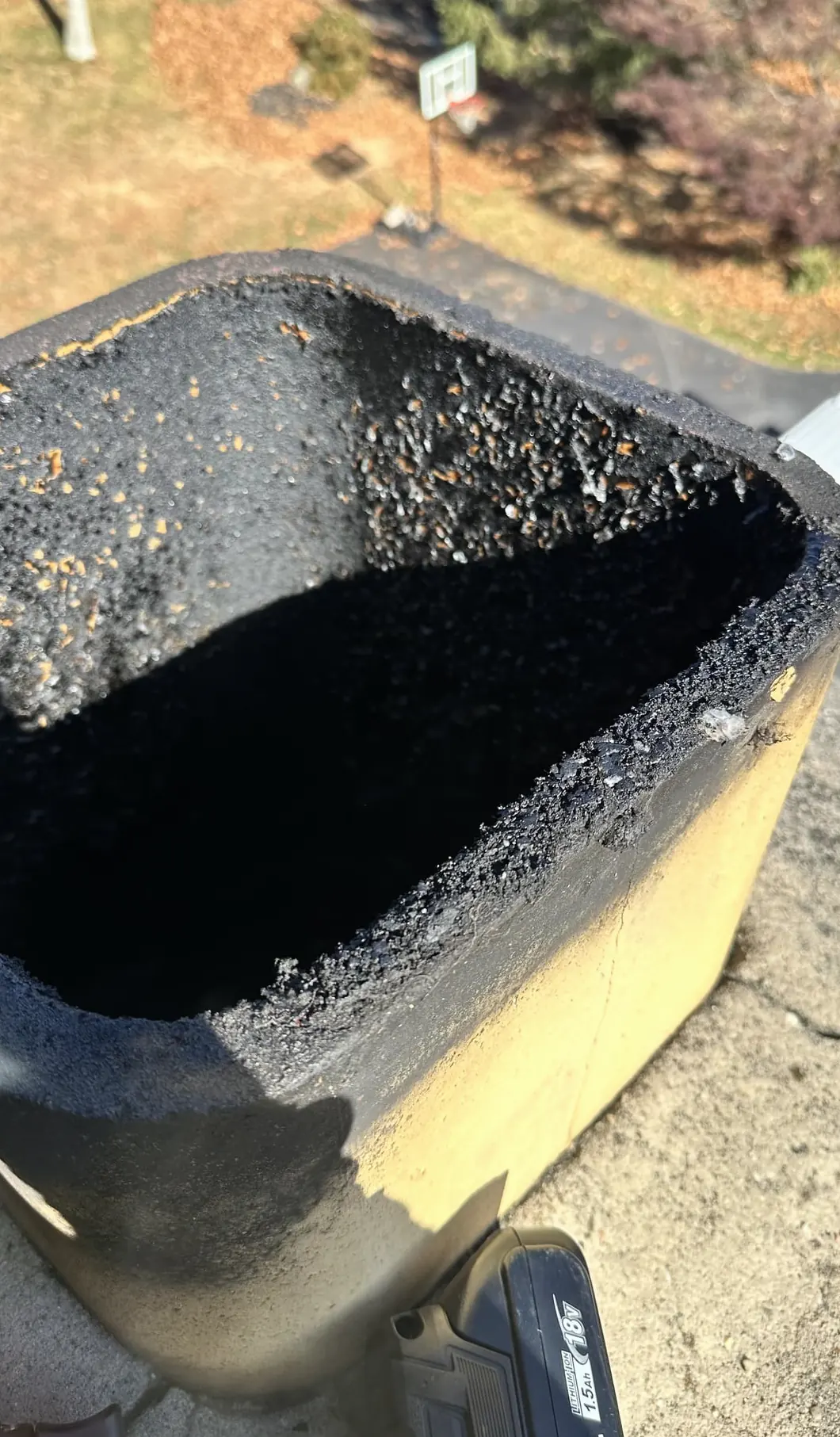
- Thick, shiny or flaky deposits — Creosote and soot in the flue can restrict the passage and increase fire risk. Have deposits assessed and removed with appropriate chimney-cleaning methods.
- Smoke entering the room — Smoke that spills indoors can point to a closed damper, obstruction or draft problem. Stop using the fireplace until the cause is identified.
- Loose masonry or cracked firebox material — Cracks, gaps or shifting pieces can indicate damage that needs professional evaluation before more fires are burned.
- A damper that will not open or close — A damper that sticks, falls out of position or cannot open fully can interfere with venting. Do not force it or light a fire to see what happens.
- A missing or displaced chimney cap — A cap helps cover the chimney opening. If it looks damaged or out of place, arrange an inspection rather than trying to reach it from the roof.
Choose Between a Chimney Sweep, Inspection and Repair
These services address different needs, so a sweep is not automatically a substitute for an inspection or repair. Describe what you see and how the fireplace operates when you book; we explain the work clearly and recommend only services a homeowner needs.
A chimney sweep for deposits
Choose a sweep when the flue needs soot or creosote removed, or when you cannot tell how much buildup is present. Chimney cleaning starts at $89, and the work should address the chimney’s actual condition rather than rely on a home remedy.
An inspection for condition or function
Choose an inspection when you need the chimney’s condition assessed, especially if you have found damage, smoke problems or a possible blockage. An inspection identifies concerns; it is not the same task as removing deposits.
A repair for visible damage
Choose a repair assessment when masonry, the firebox, damper or another chimney component appears damaged or does not function. A sweep alone will not correct a broken part.
Avoid Smoke and Creosote Problems as You Use the Fireplace
Burn only dry, seasoned firewood in a wood-burning fireplace. Damp wood produces more smoke, and smoke moving through a cooler flue can leave deposits behind; storing wood under cover and giving it time to season supports cleaner burning.
Open the damper before lighting and keep it open while the fire and embers are active. If smoke spills into the room, put out the fire if you can do so safely, stop using the fireplace and arrange a chimney check rather than trying to solve a suspected blockage by burning hotter.
Do not rely on rock salt or other materials thrown into a fire to clean the chimney. They do not replace a sweep that removes deposits and checks the flue. Avoid using improvised tools or attempting to reach deep into the chimney from the fireplace opening.
Need help now? (385) 243-7715
Book the Chimney Visit That Matches What You Found
When you book, say whether your fireplace burns wood or gas, whether you noticed smoke or a damper problem, and whether you can see deposits or damage. Ask whether you need a sweep, an inspection or both, and request an estimate of the visit length for your system.
A chimney sweep visit addresses soot and creosote buildup; an inspection assesses condition. The specific work depends on what the chimney needs, so describe the symptoms rather than asking for a repair before the problem has been checked. You can contact us to book, or read our guide to how much a chimney sweep costs in Utah.
If you find a blocked flue, damaged firebox, heavy deposits or smoke entering the room, keep the fireplace out of use until it is checked. That gives the sweep a clear starting point and helps prevent a small winter-prep concern from becoming an active-use problem.
Frequently asked questions
Does a chimney need an inspection every year?
Yes. CSIA’s homeowner guidance cites NFPA 211’s recommendation for an inspection at least once a year, even when the fireplace appears to work normally. An inspection checks condition; sweeping removes soot and creosote when cleaning is needed.
Will burning rock salt clean a chimney?
No. Do not rely on rock salt or anything else added to a fire to remove chimney deposits. A proper sweep removes buildup from the flue using appropriate cleaning methods.
How can I tell whether my firewood is ready to burn?
Use dry, seasoned wood rather than freshly cut or damp logs. EPA Burn Wise recommends seasoning firewood for at least six months, which gives moisture time to leave the wood.
What should I do if smoke comes into the room?
Stop using the fireplace and check only simple, accessible things such as whether the damper is open. If smoke still spills indoors, do not relight the fire; arrange a chimney check to find the cause.
Get Your Chimney Ready for Winter
Book a chimney sweep or inspection before your next fire. Contact us and tell us what you noticed.