
What Does a Chimney Sweep Include?
What a chimney sweep includes is soot and creosote removal, plus a check of accessible chimney parts for blockage or visible damage. The exact cleaning scope depends on the condition of the flue and the type of fireplace or appliance.
Need help now? (385) 243-7715
What Does a Chimney Sweep Include During the Cleaning?
A chimney sweep removes soot and creosote from the chimney passage used by your fireplace or stove. The sweep also checks accessible parts for visible buildup, blockage, or damage that may affect safe operation. A cleaning does not automatically mean every hidden surface has received a detailed inspection.
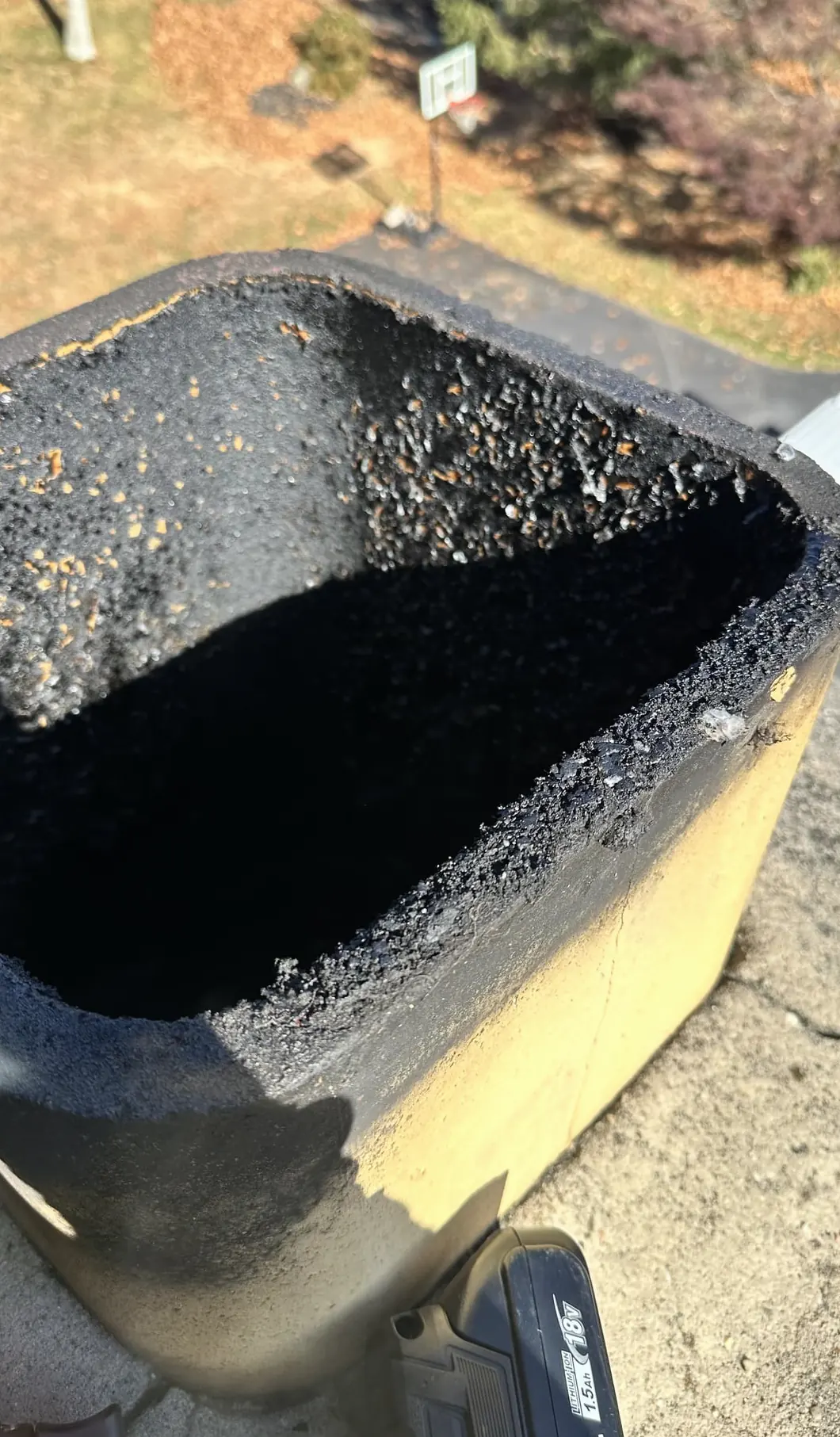
Creosote forms as wood smoke cools inside the flue. Its deposits can range from loose soot to a hard, glazed coating, so the sweep assesses the material before choosing an appropriate removal method. The Chimney Safety Institute of America’s homeowner resources explain why creosote buildup and chimney condition matter.
The chimney sweep service is focused on cleaning and identifying conditions that need attention; repair work is a separate task. We explain the work clearly and recommend only services a homeowner needs. See what is included in our chimney sweep service.
How Is Chimney Cleaning Different From a Chimney Inspection?
Cleaning removes deposits; inspection evaluates the chimney’s condition. A sweep may notice visible concerns during cleaning, but a cleaning alone is not a substitute for an inspection with a defined scope.
Cleaning
Choose cleaning when the flue needs soot or creosote removed. The goal is to clear deposits from the passage, then check the accessible areas for obvious concerns.
Routine visual check
A basic visual check can identify visible issues, but it does not reveal every concealed surface. Ask what areas were accessible and whether anything calls for a more thorough inspection.
Level 2 inspection
A deeper inspection may be appropriate after a change to the appliance, before relining, after a chimney fire or severe weather event, or during a property sale. The CSIA Level 2 inspection procedure calls for a video scan as part of that inspection.
What Signs Suggest Your Chimney Needs Cleaning?
A visible sign can tell you to arrange an assessment, but it cannot show the full condition of the flue. Stop using the fireplace if smoke enters the room or you see a blockage, and have the chimney checked before lighting another fire.
- Black or flaky deposits — Visible soot or flaky creosote near the firebox or flue opening points to residue that may need removal. Deposits farther inside can be difficult to judge from the hearth.
- A strong smoke or tar-like odor — An odor can accompany soot or creosote buildup, but smell alone does not show how much is present. Have the flue checked rather than trying to mask the odor.
- Smoke spilling into the room — Smoke entering the living area can indicate a draft, blockage, or other fireplace problem—not just a dirty flue. Stop using the fireplace and arrange an inspection to find the cause.
- Debris or an obstruction — Leaves, nesting material, or other debris can restrict the passage. Do not reach into the flue or light a fire to burn the obstruction away.
Need help now? (385) 243-7715
What Should You Check Before a Chimney Sweep Arrives?
A few details help the sweep understand what you use and what you have noticed. Share the appliance type, recent changes, and any smoke or draft problems when you contact us to arrange a visit.
- Identify the appliance — Note whether the chimney serves a wood-burning fireplace, a stove, or another appliance. Different systems use different flue components, and the sweep needs to know what is connected.
- Describe recent symptoms — Mention smoke entering the room, poor draft, an unusual odor, or debris you have seen. These details help distinguish a cleaning concern from a problem that needs further inspection.
- Point out recent changes — Tell the sweep if the appliance or flue was changed, relined, or affected by a fire or severe weather. Such changes can call for a more detailed inspection rather than cleaning alone.
- Keep the firebox clear — Do not use the fireplace before the visit, and keep household items away from the hearth. The sweep needs access to the firebox and nearby work area to assess and clean it.
What Happens During a Chimney Cleaning?
A careful cleaning follows the chimney from the appliance opening toward the flue outlet, checking for issues as deposits are removed. These steps describe the general process; the exact work depends on the system and what the sweep finds.
- Confirm the fireplace or appliance — The sweep identifies the appliance and the flue it uses. Check that the correct chimney passage is being assessed, especially if the home has more than one fireplace or flue.
- Look over the firebox and damper — The firebox and damper are checked for visible soot, obstruction, or damage before cleaning begins. The damper should move as intended and should not be blocked by debris.
- Protect the work area — A professional cleaning uses measures to control soot around the hearth and room. Check that the work area is protected before brushing or vacuuming starts.
- Brush the flue — A chimney brush and extension rods are used to loosen deposits from the flue walls. The brush needs to suit the flue’s shape and lining; after brushing, the sweep checks whether buildup remains.
- Remove loosened soot and creosote — A suitable vacuum or collection method captures debris brought down into the firebox. The hearth and firebox should be checked for remaining debris after removal.
- Check accessible components — The sweep looks over accessible portions of the flue, damper, and firebox for visible residue or damage. A hidden defect may require a separate inspection with a camera or other appropriate method.
- Review the result — Ask what was cleaned, what areas were visible, and whether any concern needs a closer look. The follow-up should distinguish cleaning from repair or a more detailed inspection.
When Does Chimney Cleaning Need a Separate Inspection or Repair?
Brushing removes deposits; it does not fix a cracked liner, damaged masonry, a faulty damper, or a leak. If the sweep sees a defect or the fireplace has recurring smoke problems, ask what inspection is needed before using it again. A change to the appliance, relining, a chimney fire, or severe weather can also call for a more detailed inspection.
Do not try to remove a hard, glazed creosote coating with household chemicals or by burning something in the fireplace. Rock salt is not a substitute for mechanical cleaning or an inspection, and adding material to a fire can create new risks. A sweep can assess the deposit and select an appropriate removal approach.
After the visit, keep the sweep’s findings with your fireplace records and follow any direction to leave the appliance unused until a concern is evaluated. To arrange cleaning or discuss a chimney concern, call (385) 243-7715; we are open 24 hours a day, 7 days a week.
Need help now? (385) 243-7715
Which Chimney Service Fits the Problem You See?
The right service depends on whether the concern is removable buildup, a visible defect, or uncertainty about the chimney’s condition. Cleaning should not be used as a substitute for diagnosing a damaged or obstructed system.
Choose a sweep for buildup
When soot or creosote is the concern and no separate defect is known, a chimney sweep can remove deposits and check accessible areas.
Ask about inspection for uncertainty
When you need to know the condition of concealed flue surfaces, or there has been a system change or damaging event, ask whether a more detailed chimney inspection is appropriate.
Request repair assessment for visible damage
Cracked masonry, a damaged liner, or a water leak calls for an assessment of the damaged component. Cleaning alone will not correct those conditions.
How Can You Book a Chimney Sweep?
Call (385) 243-7715 or use our contact page to arrange service. Share the appliance type, what you have noticed, and whether the chimney has recently been changed or affected by an event; those details help identify whether you are booking a cleaning or need to ask about an inspection.
Chimney cleaning starts at $89. For a breakdown of what affects the amount of work, read how much a chimney sweep costs in Salt Lake City. Garrett Sullivan, the owner, has 16 years of experience with chimneys and fireplaces.
Frequently asked questions
Does a chimney sweep include a full chimney inspection?
Cleaning removes soot and creosote, while a full inspection evaluates the chimney’s condition at a defined level of detail. Ask which areas were accessible during the cleaning and whether a separate inspection is needed for concealed surfaces or a recent system change.
Can I use rock salt to clean my chimney?
No. Rock salt does not replace brushing, removal of deposits, or an inspection of the flue. Have a sweep assess the buildup instead of adding material to a fire.
How much does a chimney sweep cost?
Chimney cleaning starts at $89. The work required depends on the system’s condition and whether the visit needs to address more than cleaning; see our Salt Lake City chimney sweep cost guide for more detail.
What should I do if smoke comes into the room after cleaning?
Stop using the fireplace and have the chimney and appliance assessed before lighting another fire. Smoke entering the room can point to a blockage, draft issue, or another condition that cleaning alone may not resolve.
Arrange Chimney Cleaning
Call (385) 243-7715 or contact Utah Chimney Sweep to arrange a visit and share what you have noticed.