
How Often Should a Chimney Be Swept?
The right answer to how often a chimney should be swept is to inspect it at least once a year and remove soot or creosote when needed. We provide chimney sweep service to clear deposits and identify conditions that need attention.
Need help now? (385) 243-7715
How Often Should a Chimney Be Swept for Wood-Burning Use?
Have a wood-burning chimney inspected at least once a year. Sweep it when the inspection finds soot or creosote that needs removal; the Chimney Safety Institute of America (CSIA) explains the annual inspection guidance and cleaning rule in its homeowner resources.
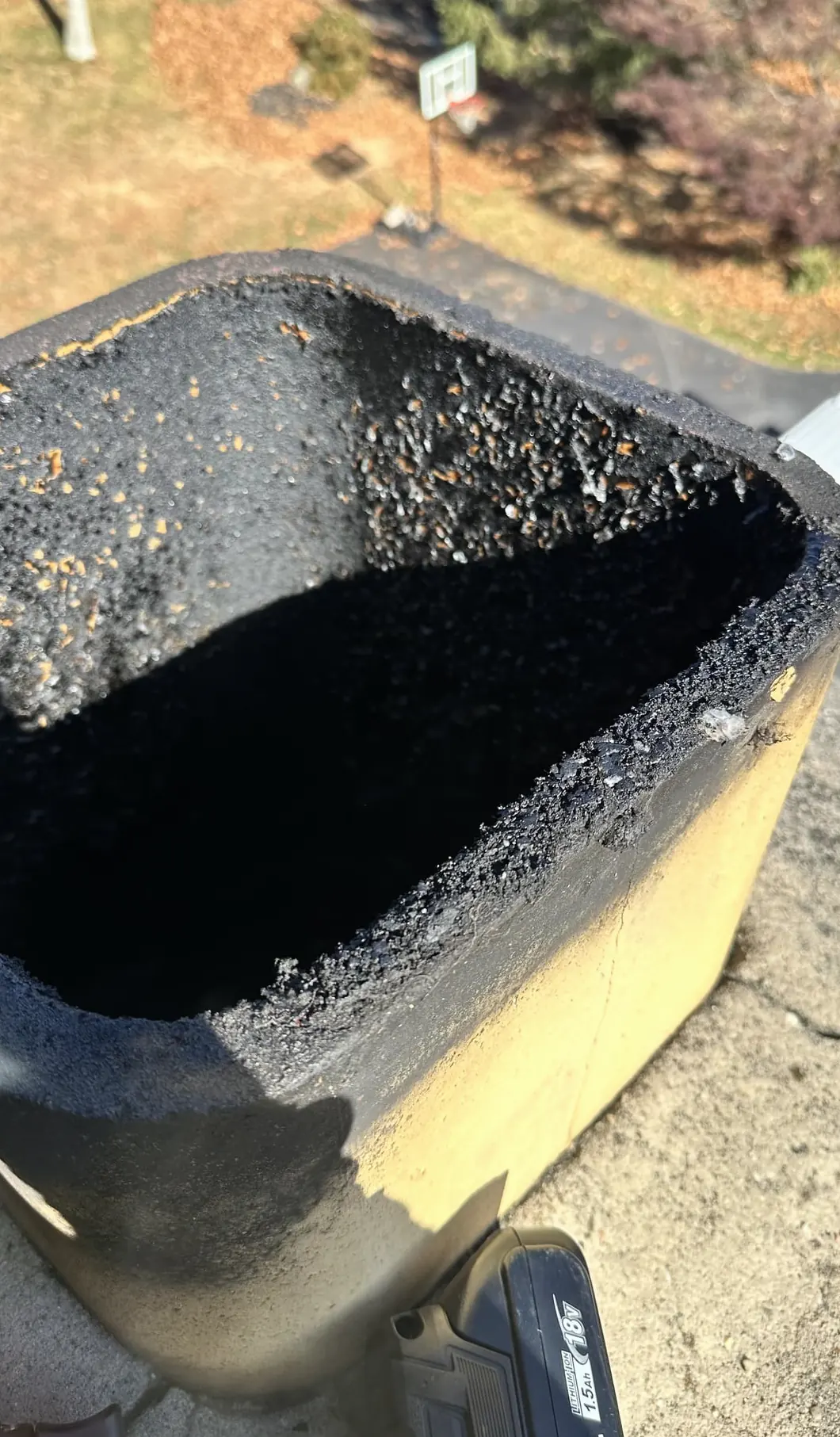
Annual inspection does not automatically mean the same amount of cleaning every year. The amount of wood burned, how it burns, and the condition of the flue affect how much residue collects. CSIA identifies 1/8 inch of soot or creosote buildup as a threshold for removal, so a visual guess from the hearth should not replace a full inspection.
What an Annual Chimney Inspection Can Reveal
A chimney inspection looks for conditions that can affect how smoke and combustion gases travel through the system. The chimney flue, fireplace opening, damper, and visible masonry are parts to assess; a blocked or damaged passage can change how the fireplace drafts.
A fireplace that seems to work normally can still have deposits or defects higher in the flue, out of view from the room. That is why the annual check matters even when you have not noticed smoke entering the home or a change in the fire.
Signs Your Chimney Needs Sweeping Before the Next Annual Check
Do not wait for the next calendar reminder if you notice a change during use. These signs are reasons to stop relying on a routine schedule and arrange an inspection:
- Visible soot or creosote buildup — Dark, flaky or shiny deposits visible in the firebox or lower flue can indicate residue that needs professional assessment. A small visible patch does not show how much buildup may be farther up.
- Smoke entering the room — Smoke spilling into the living space points to a draft or venting problem. Stop using the fireplace until the cause has been checked rather than trying to clear the flue with a household tool.
- A changed fireplace smell — A strong or unusual odor can accompany soot, creosote, moisture, or another chimney condition. Note when it occurs and share that detail during the inspection.
- A damaged or obstructed flue — Debris, a visible obstruction, or a damper that does not open properly can interfere with the vent path. A chimney sweep can inspect the system and determine whether cleaning or another service is needed.
Need help now? (385) 243-7715
Choose an Inspection, a Sweep, or Both Based on the Finding
Inspection and sweeping address different needs. The inspection determines the chimney’s condition; sweeping removes deposits when the findings call for it.
Annual inspection
Choose this as the routine check, even when the fireplace has not shown obvious symptoms. It helps identify whether the flue needs cleaning or a closer look.
Sweep for buildup
Choose sweeping when soot or creosote has accumulated to a level that needs removal. The job is not a substitute for checking the chimney’s condition.
Inspection with a video scan
A more thorough Level 2 inspection may be appropriate after an appliance change, a sale, relining, or a fire or weather event. CSIA’s Level 2 inspection guidance specifies a video scan for this inspection level.
What You Can Check Safely Before Booking a Chimney Sweep
These checks help you describe what has changed; they do not establish that the entire flue is clean or safe. Keep your inspection at room level, and never climb onto the roof or push tools into the chimney.
- Write down the last inspection date — Check your home records for the last inspection or cleaning. If a year has passed, arrange an inspection; if you cannot find a record, note that when you book.
- Identify the appliance — Record whether the chimney serves a wood-burning fireplace, stove, or another appliance. Check the appliance label or paperwork if you are unsure, because the venting setup affects what the sweep needs to assess.
- Let the fireplace cool completely — Do not examine the firebox while it is warm or in use. Once it is fully cold, check whether the hearth and opening are clear of loose items before looking inside.
- Use a flashlight at the firebox — From the room, use a flashlight to look at the visible firebox walls and the area just above the opening. Note loose material, damaged firebrick, or deposits, but do not reach into the flue.
- Check the damper from the fireplace opening — With the fireplace cold, observe whether the damper plate appears intact and moves through its normal range. Record sticking or visible damage for the sweep rather than forcing the part.
- Record smoke or odor changes — Write down whether smoke has spilled into the room or an odor has appeared, and when you noticed it. Stop using the fireplace if smoke is entering the home and arrange an inspection.
- Note your burning pattern — Record how often you use the fireplace and what fuel it burns. These details help the sweep assess why buildup may have formed and whether the previous cleaning interval still fits.
When a Chimney Change Calls for More Than Routine Sweeping
A new appliance, a chimney sale or transfer, relining, or a fire or weather event can call for a Level 2 inspection rather than routine sweeping alone. The inspection checks more of the system, including areas a standard visual check may not show; its video scan helps evaluate the flue’s interior.
After a major event or a change to the appliance or liner, ask for the inspection appropriate to that change before returning the system to use. A sweep can remove deposits, but cleaning alone does not establish whether damage or a defect is present.
Need help now? (385) 243-7715
What to Expect When You Book a Chimney Sweep
The work time depends on buildup, access to the flue, and whether the inspection finds a condition that needs a closer look. The useful next step is to describe the appliance, when it was last inspected, and any smoke, odor, or visible buildup you noticed.
Utah Chimney Sweep explains the work clearly and recommends only services a homeowner needs. Chimney sweep service starts at $89; for a closer look at the factors that affect the job, read how much a chimney sweep costs in Salt Lake City.
To book, call (385) 243-7715 or use our contact form. We are open 24 hours a day, 7 days a week.
Frequently asked questions
Does a chimney need an annual inspection if I rarely use the fireplace?
Yes. The annual inspection checks for obstructions, deposits, and changes in condition, not just wear from frequent use. The amount of cleaning needed depends on what the inspection finds.
Does an annual inspection mean my chimney must be swept every year?
No. Inspection is the yearly check; sweeping is done when soot or creosote buildup needs removal. The inspection helps determine whether cleaning is necessary.
Can burning rock salt clean a chimney?
No. Do not rely on rock salt or another fire additive to remove creosote or confirm that a flue is clear. Have a sweep inspect the chimney and remove deposits that need cleaning.
How much does a chimney sweep cost?
Chimney sweep service starts at $89. The work needed depends on the chimney’s condition; see our Utah chimney sweep cost guide for more detail.
Set Your Chimney’s Inspection Schedule
Call (385) 243-7715 to book a chimney sweep and get a clear recommendation based on your chimney’s condition.