
How Long Does a Chimney Sweep Take?
How long a chimney sweep takes depends on the chimney’s access, condition, and the work needed; a straightforward cleaning is different from a visit that uncovers a concern. We check the fireplace and flue, then explain what work is needed before proceeding.
Need help now? (385) 243-7715
What Changes How Long a Chimney Sweep Takes?
There is no single duration that fits every chimney. The time depends on what the sweep can access, the amount and condition of deposits in the flue, and whether the visit is limited to cleaning or also includes inspection or another service.
A clear path to the fireplace and chimney, with no visible damage or unusual buildup, gives the sweep a more straightforward job. A blocked or hard-to-reach flue, heavy deposits, or a concern that calls for closer inspection can add work. A sweep should explain any change in scope rather than treating cleaning and repair as the same task.
The visit also depends on what you need done. A chimney sweep service addresses the chimney’s condition and cleaning needs; repair, liner work, or other services are separate work that may require additional time.
Does a Chimney Sweep Take Longer With an Inspection?
Cleaning and inspection answer different questions. Cleaning removes deposits from the chimney, while an inspection checks the condition of the system; the right scope depends on why you are booking and what the sweep finds.
Cleaning
Choose cleaning when the goal is to remove soot and creosote from the flue. The amount and type of deposit affect the work, and glazed or heavy buildup may need closer attention than a light deposit.
Inspection
Choose an inspection when you need the chimney’s condition assessed, not just cleaned. A change to the appliance, relining, a home sale, or damage from a fire or weather event can call for a more detailed inspection; CSIA’s Level 2 inspection guidance describes when that level is recommended and calls for a video scan.
Cleaning plus inspection
Ask for both when you want deposits removed and the chimney checked. The sweep can clarify which tasks are included and whether anything observed changes the recommended work.
What to Prepare Before a Chimney Sweep Visit
A few practical details help the sweep understand the job and get to the fireplace and chimney. Share what you know when booking, especially if the fireplace has not been used recently or you have noticed a change.
- Appliance and fuel — Tell us whether the fireplace or stove burns wood or uses gas. Different appliances and venting systems call for different checks.
- Recent symptoms — Note smoke entering the room, a strong odor, visible deposits, falling masonry, or water around the chimney. These signs can point to a concern beyond routine cleaning.
- Access — Clear items around the fireplace and tell us about access restrictions or an unusual chimney layout. Clear working space helps the sweep reach the appliance and inspect the area.
- Previous work — Share any known liner, appliance, or chimney repairs. A recent change can affect which inspection is appropriate.
Need help now? (385) 243-7715
What Happens During a Chimney Sweep, Step by Step
The exact sequence depends on the chimney and the work requested. These steps show how a careful visit moves from understanding the problem to checking the result.
- Confirm the appliance and concern — The sweep asks what fuel the fireplace uses and what prompted the visit. This helps distinguish a routine cleaning request from a smoke, odor, or damage concern.
- Look over the fireplace opening — The firebox, damper, and visible masonry provide clues about the system’s condition. The damper should move as intended and the firebox should not show obvious damage.
- Check the flue and chimney access — The sweep assesses access to the flue and the areas that need attention. A restricted path or an inspection need can change the scope from a straightforward cleaning.
- Identify deposits and visible concerns — Soot and creosote are not the same as loose debris, and the type of buildup matters. CSIA identifies one-eighth inch of creosote as a sweeping threshold; glazed deposits also need attention.
- Set the work scope — The sweep explains whether the visit calls for cleaning, inspection, or a separate repair. Ask what each recommended task addresses so you know why it is included.
- Clean the chimney when included — The sweep removes deposits from the areas covered by the cleaning. The amount and condition of the deposits affect the work involved.
- Check the fireplace and explain findings — After the work, review what was cleaned and any condition that needs attention. Ask whether the original concern was resolved or whether a separate inspection or repair is recommended.
When a Chimney Sweep May Need More Time
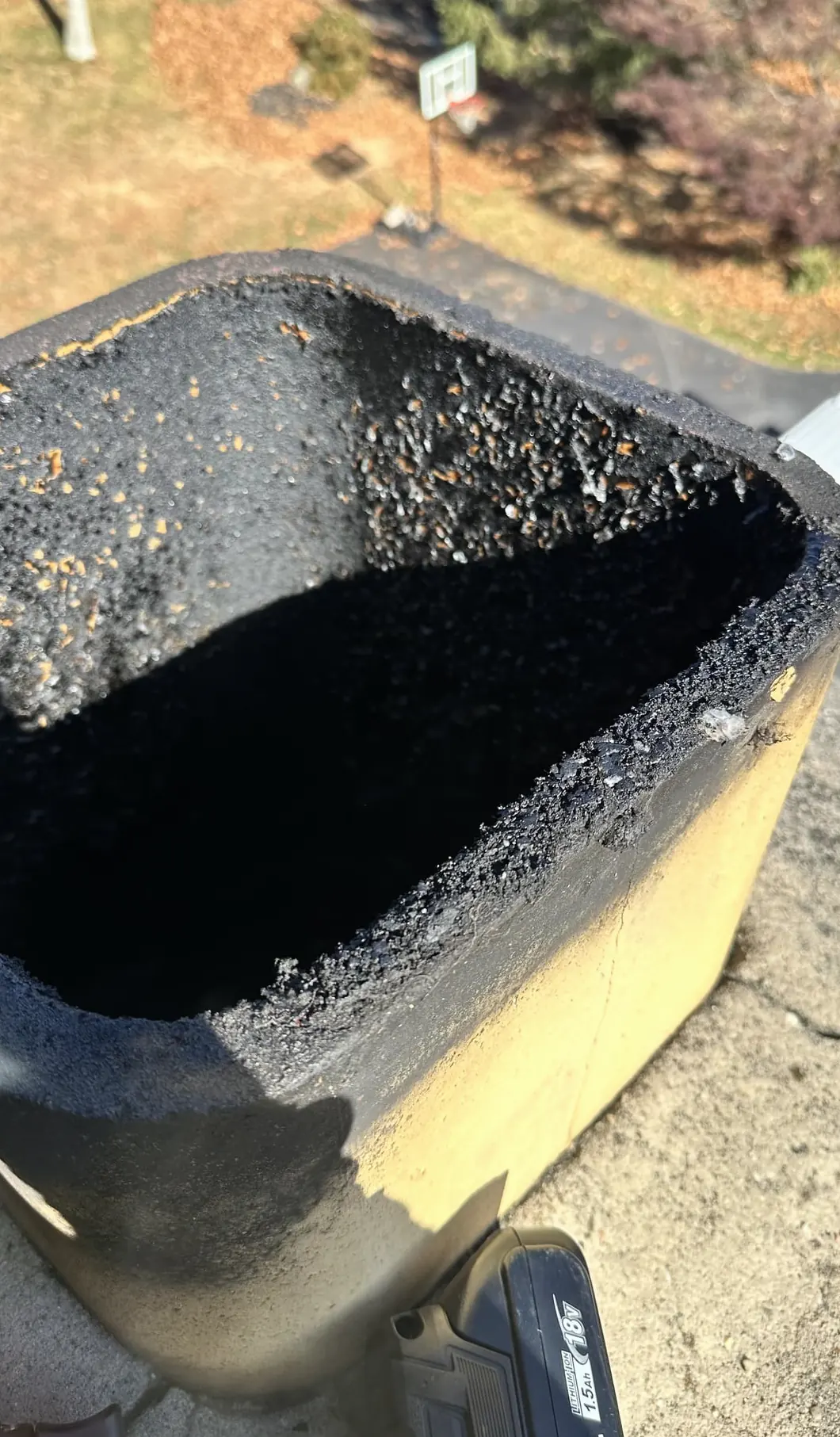
Heavy or glazed creosote, limited access, and a chimney that needs closer inspection can all make the work more involved. So can a concern outside the flue, such as damaged masonry or a problem with the damper. Cleaning does not repair damaged parts, and a repair should be identified as a separate task.
A fireplace that sends smoke into the room deserves attention before you use it again. Stop using it and arrange a chimney inspection; continued smoke can signal a draft problem or an obstruction that routine cleaning alone may not address. If you see falling brick, loose material, or water staining, tell the sweep when you book.
The National Fire Protection Association’s annual inspection rule is referenced in CSIA’s homeowner resources. An inspection can identify a concern even when the chimney does not look dirty from the fireplace opening.
What to Do After the Chimney Sweep
Before the visit ends, ask what was cleaned, what the sweep observed, and whether any recommended work is cleaning, inspection, or repair. Clear explanations let you make a decision based on the actual condition rather than assuming every concern can be handled by sweeping.
If the fireplace still smokes, the damper does not operate properly, or you notice new debris or damage, do not treat another cleaning as an automatic fix. Share the symptom and when it occurs so the next service can address the cause. For chimney cleaning in Salt Lake City, review our chimney sweep service or contact us to book.
Need help now? (385) 243-7715
Which Chimney Sweep Visit Fits Your Situation?
Match the visit to the condition you are trying to address. A cleaning is not a substitute for an inspection when you need the chimney assessed, and an inspection does not automatically mean repair is necessary.
Routine deposit removal
Book a cleaning when you want soot and creosote removed. Ask what parts of the chimney the cleaning covers and whether the sweep sees a reason to inspect further.
A change or damage concern
Request an inspection after a chimney fire or weather event, before or after relining, or when changing appliances. These situations can call for a more detailed assessment than routine cleaning.
Smoke, odor, or visible damage
Describe the symptom when you book rather than requesting cleaning alone. The sweep can assess whether the concern points to a blockage, damaged component, or another service need.
Frequently asked questions
How much does a chimney sweep cost?
Chimney cleaning starts at $89. The work needed depends on the chimney’s condition and the service requested; see how much a chimney sweep costs in Salt Lake City for more pricing detail.
Can I use my fireplace immediately after it is swept?
Ask the sweep to confirm that the cleaning is complete and whether any concern needs attention before you use the fireplace. If the visit identifies a repair or another issue, follow the specific direction given for that appliance.
What can make a chimney cleaning take longer?
Heavy or glazed deposits, difficult access, and the need to inspect a concern can add work beyond routine deposit removal. Share smoke, odor, water, or visible damage when booking so the sweep can understand the scope.
Should I book a cleaning if my fireplace is smoking into the house?
Stop using the fireplace and describe the smoke problem when you arrange service. Smoke can point to a draft or blockage issue, so an inspection may be needed in addition to cleaning.
Book a Chimney Sweep
Tell us what you have noticed and whether the fireplace burns wood or gas. We’ll explain the work clearly and recommend only the services your chimney needs.