
Why Is a Chimney Sweep So Expensive?
Why is a chimney sweep so expensive? The cost reflects the chimney’s condition, access, and amount of work—not just a quick brush.
Need help now? (385) 243-7715
Why Is a Chimney Sweep So Expensive When Conditions Differ?
The work depends on what the chimney needs. A straightforward cleaning is different from removing heavy creosote, checking a difficult-to-access flue, or identifying a damaged part that needs separate repair.
The chimney’s condition and access can affect the scope. A fireplace that has gone unused may still have an obstruction or deposits, while regular use can leave buildup that takes more effort to remove. A sweep should explain which work addresses the condition found and which work is optional.
A starting price is a starting point, not a promise that every chimney needs the same work. Utah Chimney Sweep’s chimney sweep service starts at $89. The owner, Garrett Sullivan, has 16 years of experience with chimneys and fireplaces, and the business says it explains the work clearly and recommends only services a homeowner needs.
Which Chimney Service Fits the Problem You See?
A cleaning and an inspection answer different questions. Choose based on whether you need deposits removed, the chimney’s condition assessed, or a specific problem investigated.
Chimney cleaning
Choose cleaning when the goal is to remove soot and creosote from the flue. Ask what areas the proposed cleaning covers and whether the sweep found an issue that needs a separate repair.
Chimney inspection
Choose an inspection when you need the chimney’s condition assessed, such as before using it after a change or when you notice a new concern. An inspection does not automatically mean cleaning or repair is needed.
A closer inspection
A change to the appliance, relining, a sale, or a fire or weather event may call for a Level 2 inspection. The CSIA procedure for masonry chimneys calls for a video scan in that inspection; ask whether your situation needs that added scope.
Repair
A cracked part, leak, or damaged masonry calls for a repair assessment rather than assuming a sweep will resolve it. Ask for the specific defect and work to be described separately from cleaning.
Which Signs Can Change a Chimney Sweep’s Scope?
A few observations can help you describe the problem and understand why a sweep recommends a particular service. Check from a safe position indoors; do not climb onto the roof or reach into a flue.
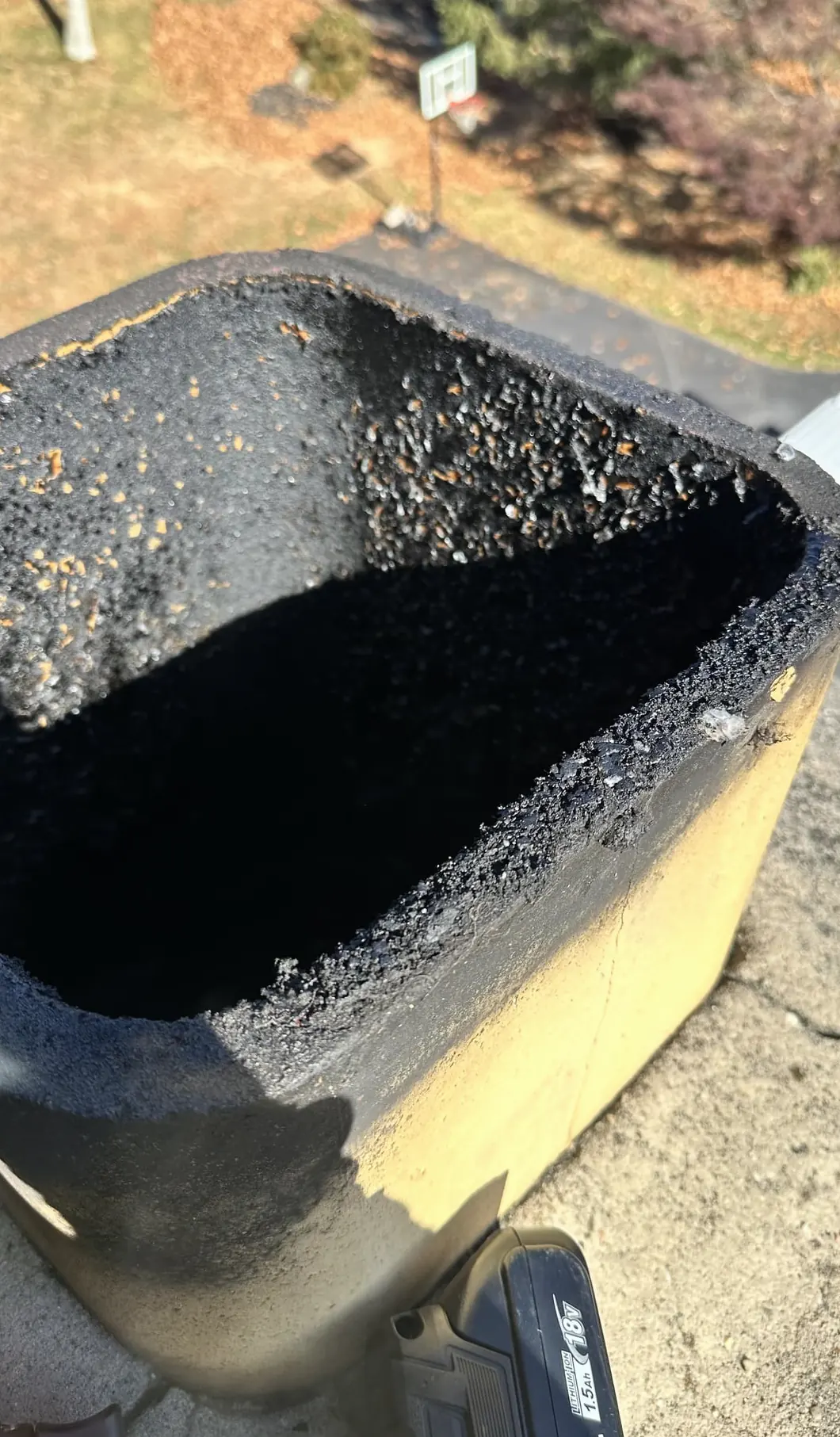
- Visible dark, shiny buildup — Glazed or shiny creosote can be harder to remove than loose soot. Tell the sweep what you can see without scraping or trying to dislodge it.
- Smoke entering the room — Smoke spilling into the home can involve the damper, airflow, an obstruction, or the flue. Stop using the fireplace until the cause has been assessed.
- Debris or an animal sound — A blockage changes the work from routine cleaning to investigating and clearing an obstruction. Do not put your hands or tools into the chimney.
- Cracks, loose brick, or water marks — These signs may point to masonry or moisture damage that cleaning alone will not fix. Photograph what you can safely see and ask whether the issue needs a separate repair assessment.
- A recent chimney or weather event — After a fire or significant weather event, ask whether a closer inspection is appropriate before using the fireplace again. A Level 2 inspection may include a video scan.
Need help now? (385) 243-7715
What Can You Check Before Booking a Chimney Sweep?
These owner-level checks help you describe the job and review the proposed scope. Keep the fireplace cold, stay indoors, and leave roof and flue work to a chimney professional.
- Write down the appliance type — Note whether the fireplace burns wood or gas, or whether the chimney serves a stove. Check the appliance label or your home records; this helps the sweep understand what system is involved.
- Note how the fireplace has been used — Record whether it has been used recently and whether you noticed smoke, odor, or trouble starting a fire. Check your notes for a clear description of when the symptom occurs.
- Look into the firebox with a flashlight — From the hearth, shine a flashlight into the cold firebox and note visible soot, debris, or damage. Do not reach into the throat or try to remove anything; check only what you can see safely.
- Check the damper from below — With the fireplace cold, look at the damper and note whether it appears open, closed, or damaged. Do not force a stuck plate; check that you can describe its position to the sweep.
- Record visible changes — Use a phone to photograph indoor cracks, staining, or loose material you can see without climbing. Review the images so you can point out the specific area that concerns you.
- Gather past service details — Look for prior inspection or repair notes, especially records of a liner, appliance change, or chimney event. Check whether the paperwork names the work completed and any follow-up recommendation.
- Ask what the quote covers — Ask whether the quoted work is cleaning, inspection, or both, and what conditions could change the scope. Check that any added work is explained as a distinct recommendation before you approve it.
What Happens During a Chimney Sweep Visit?
A chimney sweep visit is shaped by the chimney and the service requested. Cleaning focuses on removing deposits; an inspection focuses on assessing condition. Ask what the planned service includes so you know whether both are part of the appointment.
The time needed also depends on access, buildup, and whether the sweep finds a condition that needs further assessment. There is no single duration for every chimney, so ask how much time to allow when you arrange the visit. If the proposed scope changes after an inspection, ask what was found and what the added work would address.
For cleaning guidance, the CSIA homeowner resources explain that chimneys should be inspected annually and that creosote buildup of 1/8 inch or more is a reason to have the chimney cleaned. That threshold helps explain why two chimneys with different buildup can need different amounts of work.
Why Can Chimney Cleaning Shortcuts Cost You More?
Burning rock salt is not a substitute for removing creosote or checking the flue. A home remedy cannot show whether deposits remain or whether a damaged component needs attention, so do not rely on it to make the chimney ready for use.
Do not treat visible soot removal as proof that the whole system is safe to use. If smoke enters the room, you hear an animal in the chimney, or you see damage, stop using the fireplace and arrange a professional assessment. Use a chimney sweep service to address buildup and ask whether the sign calls for inspection or repair as well.
A useful recommendation connects a finding to a specific task. Ask what the sweep saw, what work would address it, and whether the recommendation is for cleaning, inspection, or repair. Utah Chimney Sweep says it explains the work and recommends only services a homeowner needs.
Need help now? (385) 243-7715
How Can You Book a Chimney Sweep With a Clear Scope?
When you arrange a visit, describe the appliance, how you use it, and any smoke, odor, debris, or visible damage. Ask whether the planned appointment is for cleaning, inspection, or both, and what the sweep will check before recommending added work.
For more detail on pricing, read how much a chimney sweep costs in Salt Lake City or how much a chimney sweep costs in Utah. To arrange a visit, contact us with the details you observed so the requested service is clear.
Frequently asked questions
How much does a chimney sweep cost?
Utah Chimney Sweep’s chimney sweep service starts at $89. The final scope depends on the chimney’s condition, access, and whether the assessment identifies a separate need for inspection or repair.
Does a chimney sweep price include an inspection?
Cleaning and inspection are different services, so ask whether both are part of the proposed scope. An inspection assesses condition; cleaning removes deposits, and one does not automatically mean the other is included.
Will burning rock salt clean a chimney?
No—burning rock salt does not replace professional removal of creosote or an assessment of the flue. If you see heavy buildup or have a smoke problem, stop using the fireplace and arrange a sweep.
How long does a chimney sweep visit take?
The time depends on the chimney’s access, condition, and the work requested. Ask how much time to allow when booking, especially if you need an inspection or the sweep may need to assess an additional concern.
Book a Chimney Sweep With a Clear Scope
Share what you’ve noticed and ask whether cleaning, inspection, or a separate repair assessment fits the condition.