
Do I Need a Chimney Cap?
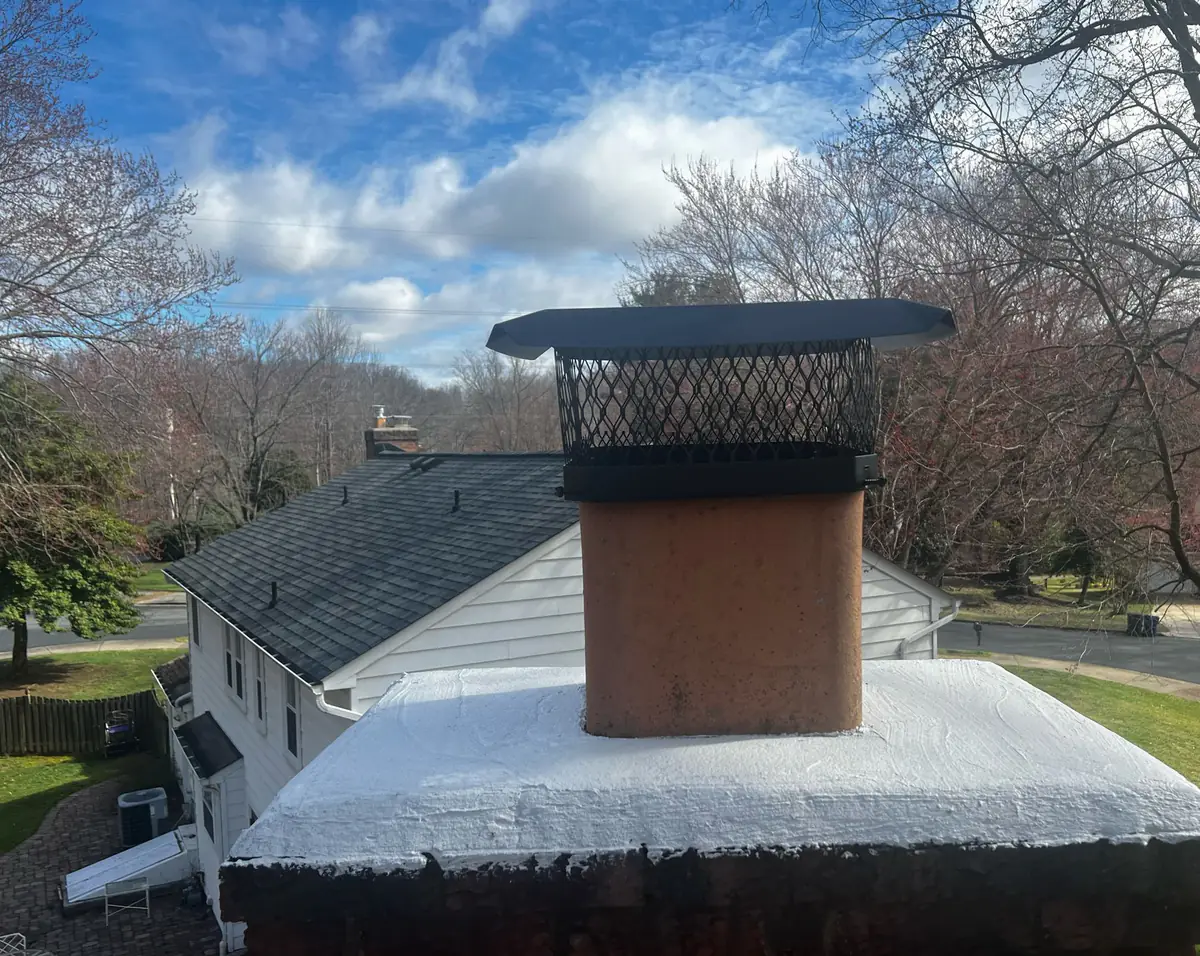
A chimney cap is needed when a flue opening is exposed or its existing cap is loose, damaged, or missing. A properly fitted cap helps keep rain, animals, and debris out without blocking the route smoke needs to leave.
Need help now? (385) 243-7715
Do I Need a Chimney Cap on My Chimney?
Check whether the top of your chimney has a fitted cover over each flue opening. If the opening is exposed, or the existing cap is missing or visibly damaged, arrange an assessment before using the fireplace. A cap helps limit rain, leaves, and animals entering from above, but it must leave the exhaust opening clear.
A cap is not a fix for every chimney problem. Water inside the firebox, damp masonry, or recurring leaks can also point to a damaged crown, flashing, or other issue. Our chimney cap installation service starts with checking what is at the top of the chimney so the recommended work fits the problem.
Signs Your Chimney Cap May Be Missing or Failing
Use these clues to decide whether to request a closer look. You can make the checks from the ground or from inside the home; do not climb onto the roof to inspect the cap.
- The flue opening looks uncovered — From the ground, use binoculars to look for a cover above the flue. Check whether the opening appears exposed rather than assuming a dark spot is a cap.
- The cap appears loose or bent — A tilted or visibly damaged cover may not sit securely over the opening. Note what you can see, but do not try to straighten or fasten it from a ladder.
- You hear or see animal activity — Sounds from the chimney or animal material near the fireplace can mean an animal has entered. Keep hands and tools out of the flue and ask for an inspection.
- Water or debris appears in the fireplace — Leaves, nesting material, or water below the flue are reasons to check the chimney top. A cap may be part of the solution, but a technician should also look for other openings or damage.
Which Chimney Cap Option Fits the Problem?
The right choice depends on how the chimney is built and what is damaged. A cap should fit the flue or chimney top without covering a necessary exhaust opening; a different repair may be needed when the source of the problem is below it.
A replacement cap
This fits when a cap is missing, damaged, or no longer seated properly. The installer checks the opening and selects a cap that matches the chimney configuration.
A cap for a multi-flue chimney
When more than one flue exits at the top, the cap arrangement must leave each flue’s exhaust path open. The number and placement of the openings matter when choosing the fit.
Crown or masonry repair
A cap does not repair cracked masonry or a damaged chimney crown. If the top surface is deteriorating, ask whether the crown needs repair as well; see how much chimney crown repair costs.
Chase cover replacement
A prefabricated chimney chase has a top cover that is distinct from a cap over a masonry flue. If that cover is rusted, loose, or leaking, the needed work may be chase-cover replacement rather than cap installation.
Need help now? (385) 243-7715
How to Check for a Chimney Cap Without Climbing
These checks help you describe what you see; they do not replace an inspection. Stay on the ground and do not reach into the flue, remove parts, or use a ladder to access the roof.
- Let the fireplace cool — Do not inspect the firebox while a fire is burning or the appliance is hot. Check that the fireplace is fully out and cool before looking inside.
- Look at the chimney from the ground — Use binoculars to view the top from a safe place. Check whether a cover appears to sit over the flue opening, without trying to judge its fastening from a distance.
- Note how many flues you can see — Record whether the chimney appears to have one opening or several. Check that your notes distinguish separate flue openings rather than assuming the whole chimney has one.
- Look for visible damage — From the same safe viewing spot, note a cap that looks bent, shifted, or incomplete. Do not climb up to test whether it moves.
- Check the fireplace area — With the appliance cool, use a flashlight to look for visible water, leaves, or animal material in the firebox. Do not put your hands into the flue; check only what is plainly visible.
- Record the signs — Write down what you noticed and take a photo from the ground if you can do so safely. Check that the photo shows the chimney top clearly enough to help describe the concern.
- Arrange the appropriate inspection — Share the visible signs and whether the chimney serves a wood-burning or gas appliance when you book. Ask for the cap and the surrounding chimney top to be assessed, then check that the recommendation identifies the part needing work.
What a Chimney Cap Cannot Repair
A cap cannot stop every leak. Water can enter through a damaged crown, flashing, chase cover, or masonry, so replacing a cap without identifying the entry point may leave the original problem unresolved. Tell the sweep where you see water and whether it appears after rain.
A cap also cannot correct a blocked or damaged flue. If smoke spills into the room, an animal is inside, or you see damage from the firebox, stop using the fireplace until the chimney has been checked. A professional chimney sweep in Salt Lake City can inspect the chimney and identify whether the cap, flue, or another component needs attention.
What Happens During Chimney Cap Installation?
A cap installation begins by checking the chimney top and identifying the flue openings and the cap arrangement they need. The installer then matches the replacement to the chimney, fits it in place, and checks that it is seated and that the exhaust opening remains clear. If the inspection shows damage to the crown or another part, that condition needs to be considered separately from the cap.
Garrett Sullivan, the owner, has 16 years of experience with chimneys and fireplaces. We explain the work clearly and recommend only the services your home needs. To book, contact us with the chimney address, appliance type, and any signs you noticed; we are open 24 hours a day, 7 days a week.
Need help now? (385) 243-7715
When to Ask for a Chimney Inspection
Arrange a chimney inspection when a cap is missing or damaged, when debris or animal activity appears, or when water is showing up inside. An inspection is also useful when a cap replacement is being considered alongside other work, because it can help distinguish a cap problem from damage elsewhere on the chimney.
The Chimney Safety Institute of America cites the NFPA 211 recommendation for an annual chimney inspection. Include the cap and chimney top in that check, and use the CSIA homeowner resources for more information on chimney inspection and maintenance.
Frequently asked questions
Can I install a chimney cap myself?
A chimney cap is installed at the roofline, so reaching it can expose you to a fall and may make it difficult to judge the fit. Check the top from the ground with binoculars and have a chimney sweep assess the cap and flue instead of climbing onto the roof.
Will a chimney cap stop water from leaking into my fireplace?
A cap can help keep rain from entering through an exposed flue opening, but it will not repair a cracked crown, faulty flashing, or a damaged chase cover. Note when the water appears and have the chimney top checked to identify the entry point.
How much does chimney cap installation cost?
Chimney cap installation starts at $250; the chimney configuration and the work needed affect the final scope. See our guide to how much a chimney cap costs for more detail.
How do I book chimney cap installation in Salt Lake City?
Contact Utah Chimney Sweep with the property address, the type of fireplace or stove, and what you observed from the ground. We serve Salt Lake City and towns across the Wasatch Front within 60 miles, and we are open 24 hours a day, 7 days a week.
Get Your Chimney Cap Checked
Contact Utah Chimney Sweep with what you noticed at the chimney top and we can assess whether cap installation is the right next step.