
Do Chimney Sweeps Make a Mess in Your Home?
Do chimney sweeps make a mess? A careful chimney cleaning contains soot and debris, though dust can escape if the work area is not protected. Ask how the hearth and nearby room will be covered before work begins.
Need help now? (385) 243-7715
What Keeps a Chimney Cleaning From Spreading Soot?
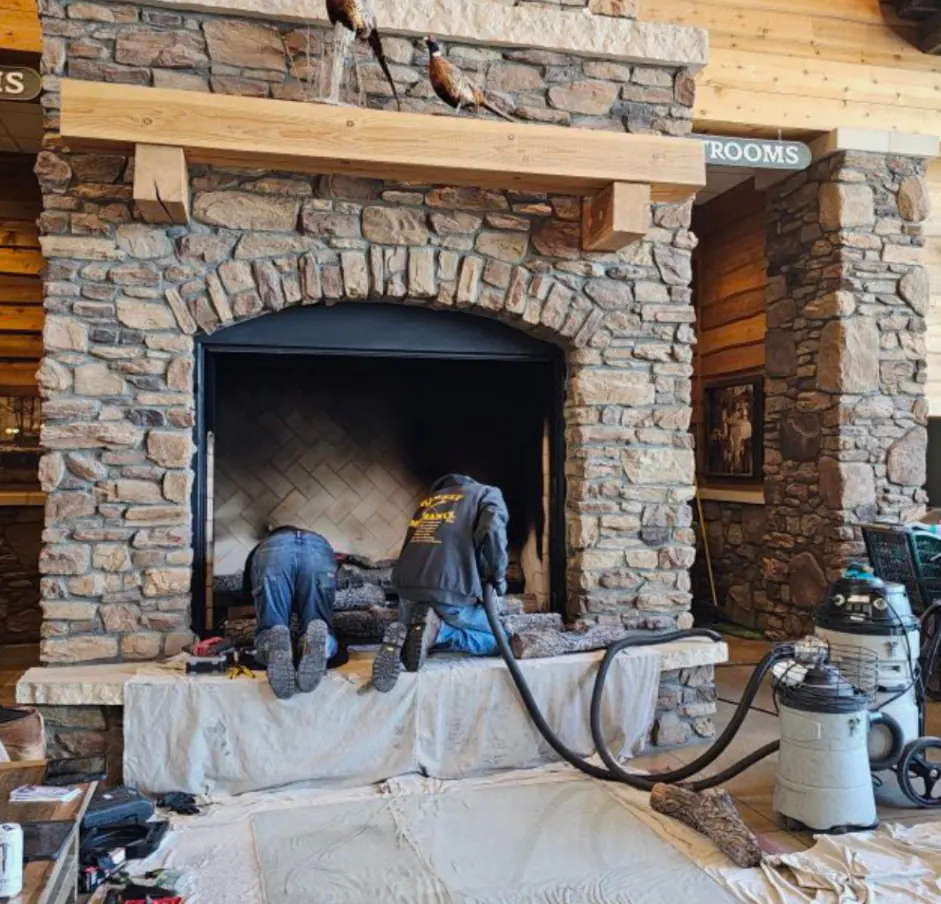
A sweep should protect the area around the fireplace before brushing or vacuuming the flue. That usually means covering the hearth and nearby floor, limiting access to the work area, and using a vacuum designed to capture fine soot rather than sending it back into the room.
The work area matters because soot is light and can travel on air currents. A loose cover, an open path between the fireplace and the rest of the room, or a vacuum that does not capture fine particles can leave dust on furniture and floors.
Ask what the sweep will cover and how the work area will be contained. A professional should be able to describe the setup plainly before starting; our chimney cleaning service includes a clear explanation of the work we recommend.
How Can You Prepare Your Room for Chimney Cleaning?
- Let the fireplace cool completely — Do not schedule work while the fire is burning or the firebox is still hot. Check that there are no live embers before the visit.
- Move loose items away from the hearth — Remove firewood, tools, baskets, rugs, and decorations from beside the fireplace. This gives the sweep room to place protective coverings.
- Clear a path to the fireplace — Move furniture and belongings that block access to the hearth. Keep the path clear so equipment can be brought to the work area without brushing against household items.
- Put fragile belongings elsewhere — Move nearby items that could be affected by dust, vibration, or accidental contact. Pay attention to objects on the mantel and low shelves.
- Tell the sweep what you have noticed — Mention visible soot, falling debris, smoky fires, or a strong fireplace odor when you arrange the appointment. These details can affect what the sweep checks.
- Ask what the quoted work covers — Confirm whether the planned work is sweeping, inspection, or both. The services are not interchangeable; this guide to chimney sweep vs. chimney cleaning explains the distinction.
- Keep pets and children out of the work area — Choose a room or area away from the fireplace while the sweep is working. This keeps people clear of tools, coverings, and the open firebox.
Which Chimney Cleaning Setup Fits Your Fireplace?
The right containment approach depends on how the fireplace connects to the room and what appliance sits at the hearth. Tell the sweep whether you have an open fireplace, an insert, or another appliance so the work area can be planned.
Open fireplace
The firebox opens directly into the room, so ask how the hearth and opening will be covered while soot is removed from the flue.
Fireplace insert
An insert has a different opening and access points from an open fireplace. Tell the sweep the insert is there and ask how the cleaning setup will protect the room around it.
Cleaning versus inspection
Cleaning removes deposits from the flue; an inspection checks the chimney and fireplace for condition or damage. Ask which service is planned, especially if you have noticed a new problem.
Need help now? (385) 243-7715
What Should You Move Before the Sweep Arrives?
A little room around the hearth makes it easier to protect your belongings and reach the fireplace. You do not need to empty the room; focus on items close to the work area.
- Floor coverings — Move rugs, mats, and fabric baskets away from the hearth so protective covers can lie flat.
- Decor and furniture — Clear the mantel and nearby shelves of fragile items, and move furniture that crowds the fireplace.
- Fireplace tools and fuel — Set aside the log holder, poker set, kindling, and loose firewood to open up the area.
- Room access — Keep the route from the entrance to the fireplace free of boxes, toys, and other trip hazards.
What Should You Do if Soot Escapes Into the Room?
Tell the sweep as soon as you see dust escaping. Pause the work so the opening and coverings can be checked; continuing while soot is spreading can carry it farther through the room.
Avoid brushing dry soot or running an ordinary household vacuum over it while the work is still underway. Ask the sweep to contain the area first and explain what cleanup is appropriate for the surface affected.
If the sweep finds heavy deposits, damaged masonry, or another concern during cleaning, ask what was observed and whether a separate inspection or repair is needed. The CSIA explains that creosote buildup is a chimney-fire hazard; its homeowner resources describe when sweeping is recommended and what deposit levels warrant attention.
What Does Chimney Cleaning Include, and How Long Can It Take?
Chimney cleaning focuses on removing soot and creosote from the flue. The exact work area and access depend on the fireplace or appliance, so confirm whether the firebox, smoke chamber, or connected vent is part of the planned service rather than assuming every part is included.
There is no single visit length that fits every chimney. The amount of buildup, flue access, and any condition that needs closer attention can affect the time; ask for an estimate when you book and allow the sweep to explain any change in scope.
A chimney cleaning is not a substitute for a full condition assessment. If you see damaged brick, loose pieces, persistent smoke, or evidence of water entry, mention it when booking so the sweep can determine whether inspection or repair should be considered.
Need help now? (385) 243-7715
How Do You Book a Chimney Cleaning With Clear Expectations?
When you arrange a cleaning, describe the appliance, the last time it was used, and any soot, odor, smoke, or debris you have noticed. Ask what the cleaning covers, what you should move, and whether the reported symptom calls for an inspection as well.
Utah Chimney Sweep explains the work clearly and recommends only services a homeowner needs. Call (385) 243-7715 or use our contact page to arrange service; we are open 24 hours a day, 7 days a week.
For guidance on evaluating a provider’s approach and questions to ask before hiring, read our advice on how to find a reputable chimney sweep.
Frequently asked questions
Will soot get on my furniture during chimney cleaning?
A sweep should cover the hearth and nearby work area and contain the fireplace opening before cleaning. Move fragile belongings and furniture close to the hearth, then ask what protection will be used for anything that must stay nearby.
Should I clean the fireplace before the chimney sweep comes?
Let the firebox cool completely and move loose items away from the hearth, but do not try to clean soot out of the flue yourself. Tell the sweep about visible debris or heavy deposits so they can account for them.
Can I use my fireplace right after it has been swept?
Ask the sweep whether the cleaning is complete and whether any condition needs attention before you use the fireplace. Do not light a fire if the sweep identifies damage or a concern that makes operation unsafe.
Does chimney cleaning also check for damage?
Cleaning removes deposits, while an inspection assesses the condition of the chimney and fireplace. Tell the sweep about cracks, falling material, smoke, or water entry and ask whether an inspection should be included.
Get Your Fireplace Ready for Cleaning
Tell us what you have noticed around your fireplace, and we will explain the work we recommend. Call (385) 243-7715 or contact Utah Chimney Sweep to arrange chimney cleaning.