
Is a Chimney Sweep Worth It?
Yes, a chimney sweep is worth it when you burn wood or need the flue checked; it can remove creosote and uncover damage before your next fire. Our service starts at $89.
Need help now? (385) 243-7715
Are chimney sweeps worth it for a wood-burning fireplace?
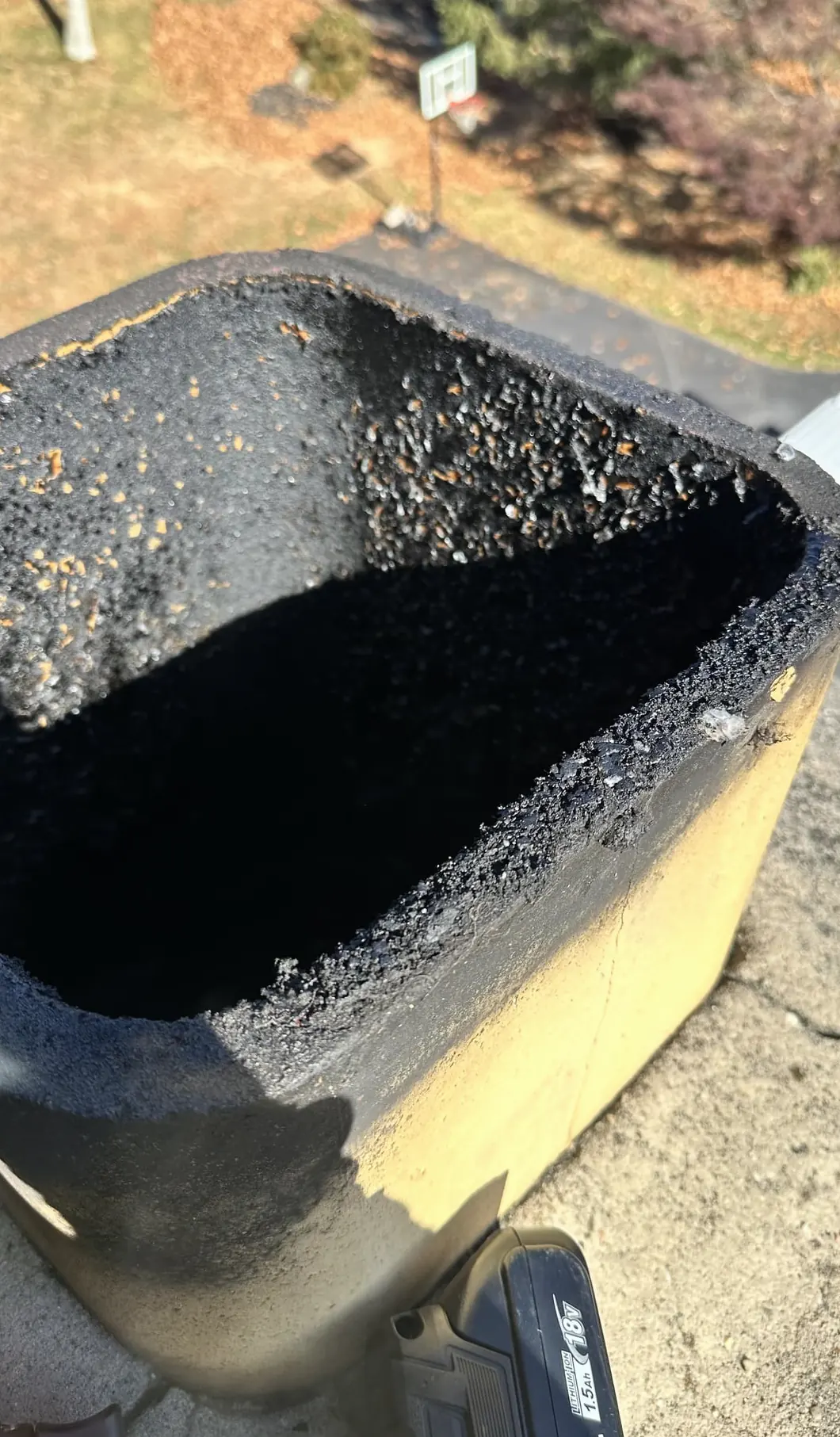
For a wood-burning fireplace or stove, sweeping is worthwhile because creosote can build up inside the flue and catch fire. A sweep can remove soot and creosote, while an inspection can identify issues such as damaged flue components that a brush cannot fix.
The Chimney Safety Institute of America (CSIA) cites the NFPA 211 recommendation for an annual chimney inspection. Cleaning is needed when deposits reach 1/8 inch, or sooner if the inspection finds a hazard. That makes sweeping a condition-based safety task, not just a way to make the fireplace look cleaner. Read CSIA’s homeowner guidance for more on inspections and cleaning.
Which chimney service is worth booking for your situation?
A sweep and a repair solve different problems. The right choice depends on whether the concern is buildup, visible damage, or how the fireplace is operating.
Choose a sweep when buildup is the concern
For a wood-burning fireplace in regular use, ask for a chimney sweep to check the flue and remove combustible deposits when cleaning is needed. Soot or creosote accumulation is a reason to have the chimney assessed rather than trying to burn the buildup away.
Ask about an inspection when you see damage
Cracked masonry, loose bricks, or signs of water entry call for an inspection to identify the source and extent of the problem. Cleaning alone does not repair a chimney or explain why it is deteriorating.
Treat smoke or poor draft as a separate symptom
Smoke entering the room can point to a blockage, draft issue, or another fireplace problem. Stop using the fireplace until the cause is checked instead of assuming that a sweep by itself will correct it.
What can you check before booking a chimney sweep?
These checks help you describe the problem; they are not a substitute for entering or cleaning the chimney. Inspect only when the fireplace and ashes are completely cold.
- Note what fuel you burn — Write down whether the fireplace uses wood or gas and how often you use it. Fuel type and use help the sweep understand which appliance and venting system need attention.
- Look at the firebox with a flashlight — From outside the fireplace, check for loose brick, broken firebrick, or debris. Do not reach into the flue; note what you can see from the hearth.
- Check for smoke or odor patterns — Record whether smoke enters the room during a fire or whether an odor appears when the fireplace is cold. Include when the symptom happens, since that can help distinguish a draft concern from a buildup concern.
- Look for visible water signs — Check the fireplace opening and nearby wall for dampness or staining. Water marks are a reason to ask about inspection and repair, not just cleaning.
- Gather prior service details — Find any past inspection notes or repair receipts and note when the chimney was last checked, if you know. This gives the sweep useful context without requiring you to estimate creosote depth yourself.
- Keep the fireplace unused if you spot a concern — Do not light another fire if you see damaged parts, persistent smoke, or falling debris. Tell the sweep exactly what you noticed and ask for the system to be checked before using it again.
- Describe the system when you book — Share the fuel type, symptoms, and any visible damage. Ask what the visit will cover and how long to set aside, since the time depends on the system and whether the work is limited to sweeping or needs further inspection.
Need help now? (385) 243-7715
What does a chimney sweep address—and what does it not fix?
A sweep addresses deposits inside the chimney; it is not a repair for cracked masonry, a damaged liner, or a leaking chimney. Describe any damage or operating problem when booking so the recommended work matches the issue.
- Creosote and soot — These deposits form as wood smoke cools in the flue. A sweep can remove buildup; CSIA notes that the 1/8-inch deposit threshold is a signal for cleaning.
- Loose or damaged masonry — A brush cannot replace missing mortar or secure loose brick. Ask for an inspection if you see cracks, crumbling joints, or pieces inside the firebox.
- A blockage or animal evidence — Debris or signs of an animal may obstruct the flue. Do not push objects into the chimney or light a fire to clear it; have the obstruction assessed.
- Smoke entering the home — Smoke in the room needs a cause identified, not masked. Stop using the fireplace and report when the smoke appears and whether the damper is open.
When is paying for a chimney sweep especially worthwhile?
The value is clearest before you depend on the fireplace, after substantial wood burning, or when you notice a new change in how it works. An annual inspection can catch a developing concern before it becomes an emergency; the inspection findings determine whether cleaning or repair is needed.
Sweeping is not a way to make a damaged chimney safe to use. After a chimney fire, severe weather, a change to the appliance, or chimney relining, ask whether a more detailed inspection is appropriate. CSIA guidance describes these as situations where a Level 2 inspection may be recommended, including a video scan of the flue. See CSIA’s Level 2 inspection procedure.
What happens during a chimney sweep visit?
A chimney sweep visit should begin with a look at the fireplace and venting system, followed by an assessment of deposits and visible condition. The sweep can then identify whether cleaning is appropriate or whether a separate concern needs inspection or repair. Ask what the recommended work includes before it begins.
Visit length depends on the fireplace, access, the amount of buildup, and whether the inspection finds a problem beyond cleaning. When you book a chimney sweep service, tell us the fuel type, the last known cleaning, and any smoke, odor, or damage you have noticed. Utah Chimney Sweep is open 24 hours a day, 7 days a week, and serves Salt Lake City and Wasatch Front towns within 60 miles.
Need help now? (385) 243-7715
What can go wrong if you rely on a quick DIY fix?
Burning rock salt does not replace mechanical creosote removal or an inspection. Adding products to a fire can also distract from the real issue: deposits, damage, or a blockage still need to be assessed. Avoid trying to burn away creosote or reach up the flue with household tools.
A brush may remove some loose soot without revealing a damaged liner or other hidden defect. The safe next step is to stop using the fireplace when you see damage, unusual smoke, or debris, then arrange a professional assessment. For service details, see our chimney sweep service.
How do you decide whether to book a sweep now?
Book a sweep if you burn wood and the chimney is due for its annual inspection, if you see buildup, or if you cannot confirm the system has been checked. Choose inspection or repair alongside cleaning when you have visible damage, water signs, smoke problems, or a recent chimney event.
The service starts at $89. For a fuller breakdown of what affects the total, see how much a chimney sweep costs in Salt Lake City. If you are ready to arrange a visit, contact us with the fireplace type and symptoms you noted.
Frequently asked questions
How much does a chimney sweep cost?
Utah Chimney Sweep’s chimney sweep service starts at $89. The work needed depends on the system’s condition, so share any smoke, buildup, or damage concerns when booking.
Will burning rock salt clean a chimney?
No. Burning rock salt is not a substitute for removing creosote or checking the flue, and it will not repair damage or clear a blockage. Stop relying on additives and arrange a professional assessment if buildup is a concern.
Do chimney sweeps still exist?
Yes. A chimney sweep assesses the fireplace and flue and removes soot or creosote when cleaning is needed. Utah Chimney Sweep provides chimney sweep service in Salt Lake City and towns across the Wasatch Front.
Should I book a sweep if my fireplace is smoking into the room?
Stop using the fireplace until the cause is checked. Smoke can point to a blockage or draft problem, so tell the sweep when it happens and ask for the fireplace and venting system to be assessed.
Ready to arrange a chimney sweep?
Share your fireplace type and any signs you noticed when you contact us.