
Chimney Sweep vs. Chimney Cleaning: What Is the Difference?
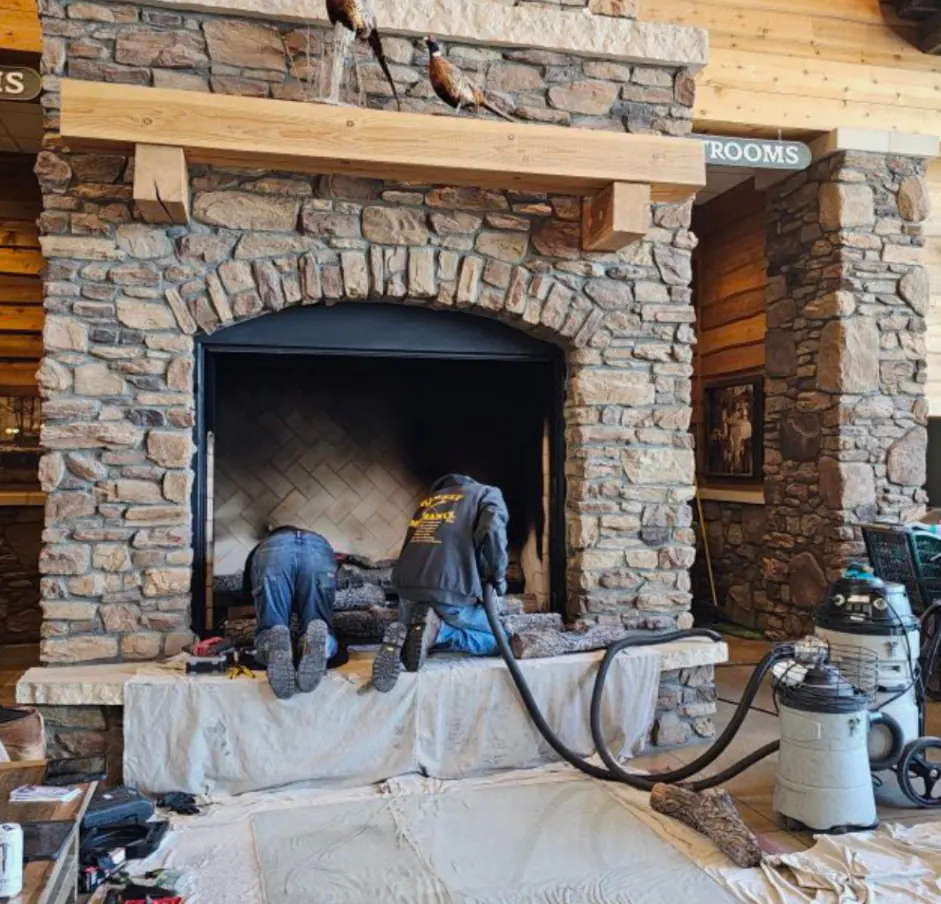
The difference between a chimney sweep and chimney cleaning is that a sweep is the person or service, while cleaning is the removal of soot and creosote from the chimney. The two terms are often used for the same appointment, but cleaning and inspection are not the same task.
Need help now? (385) 243-7715
What Is the Difference Between a Chimney Sweep and Chimney Cleaning?
A chimney sweep is the professional who works on the chimney, or the service appointment itself. Chimney cleaning is the removal of soot, creosote and other deposits from the flue and related areas. In everyday conversation, people often use “chimney sweep” and “chimney cleaning” to mean the same visit.
The key distinction is between the person or service and the work being done. A sweep appointment can involve cleaning, an inspection, or both, so ask what the visit includes rather than assuming that the word “sweep” covers every check or repair.
Which Chimney Service Fits the Problem You See?
Cleaning
Cleaning addresses deposits inside the chimney, including soot and creosote. It fits a chimney that needs buildup removed; it does not, by itself, establish that every part is sound.
Inspection
An inspection checks the chimney and fireplace for condition and visible concerns. The Chimney Safety Institute of America describes annual inspections as a safety practice; a cleaning and an inspection answer different questions.
Repair
Repair addresses a damaged part, such as a chimney crown, masonry, flashing or liner. Cleaning deposits does not fix cracked or deteriorated components.
Signs Your Fireplace May Need Chimney Cleaning
A visible sign can point to buildup, but it cannot show the full condition of the flue. Look for these clues and share what you observe when arranging service.
- Dark, flaky or tar-like deposits — Creosote can appear as soot-like flakes or a shiny, hardened coating. The form and thickness matter because a brush suitable for loose soot may not be appropriate for a hardened deposit.
- Smoke entering the room — Smoke spilling into the living space can have more than one cause, including an obstruction or a draft problem. Stop using the fireplace until the cause is assessed rather than treating it as a simple cleaning issue.
- A strong fireplace odor — An odor can come from deposits in the chimney, but cleaning may not resolve every source. Tell the sweep when the smell occurs and whether it changes with weather or fireplace use.
- A long gap since the chimney was checked — The CSIA homeowner guidance cites the NFPA 211 recommendation for an annual chimney inspection. That inspection can identify whether cleaning or another action is needed.
- Visible debris or a suspected blockage — Leaves, nesting material or other debris can interfere with the passage through the flue. Do not reach into the chimney or climb onto the roof to investigate.
Need help now? (385) 243-7715
Seven Safe Checks Before You Book Chimney Cleaning
These owner-level checks help you describe the issue without entering the chimney or attempting to clean it yourself. Leave roof access, flue work and deposit removal to a chimney professional.
- Identify the appliance — Note whether the chimney serves a wood-burning fireplace, a stove or a gas appliance. The appliance type helps determine which parts and venting need attention.
- Let the fireplace cool — Do not inspect a firebox that is still hot or contains warm embers. Before looking inside, confirm the appliance has not been used recently and that no heat remains.
- Look at the firebox from the room — Use a flashlight to view the firebox and the opening, without reaching into the flue. Note loose debris, unusual deposits or damage you can see from a safe standing position.
- Check the damper control — If the fireplace is cool, observe whether the damper handle moves normally. Do not force a stuck control; tell the sweep if it will not open or close.
- Record the symptom — Write down whether you noticed smoke, odor, poor draft or visible buildup, and when it happens. A clear description helps distinguish a cleaning concern from a possible airflow or repair issue.
- Gather the service history — If you know when the chimney was last inspected or cleaned, share that date. If you do not know, say so; the chimney’s current condition is what determines the next step.
- Ask what the appointment covers — When booking, describe the appliance and symptoms, then ask whether the visit includes cleaning, inspection or both. Utah Chimney Sweep explains the work clearly and recommends only services a homeowner needs.
What Chimney Cleaning Removes—and What It Cannot Fix
A cleaning targets combustion deposits inside the flue, especially soot and creosote from burning wood. A chimney sweep may use brushes and collection equipment suited to the chimney and the type of deposit; the appropriate method depends on what is found. CSIA homeowner guidance notes that creosote buildup at 1/8 inch is a threshold for sweeping, but a homeowner should not try to measure or remove it from inside the flue.
Cleaning is not a substitute for repairing a damaged liner, crown, chimney cap or masonry. It also does not automatically mean the chimney has received a full inspection. Ask for the findings to be stated plainly, including whether the work was cleaning, inspection or a separate repair.
When an Inspection Needs to Be Separate From Cleaning
Cleaning removes deposits; inspection looks for condition and safety concerns. The CSIA recommends an inspection after certain changes or events, including an appliance change, a chimney fire, a severe weather event, relining or a home sale. Its guidance for a Level 2 masonry chimney inspection calls for a video scan of the flue.
- You changed the appliance or fuel — A new appliance can change how the chimney is used. Ask whether an inspection is appropriate before relying on cleaning alone.
- You suspect damage or see a persistent problem — Smoke entering the room, a damper that will not move, or visible damage calls for an assessment of the cause. Cleaning may be part of the work, but it will not correct a damaged component.
- You need a condition check — For a sale, relining or after a significant event, ask specifically about inspection scope. A camera scan can reveal conditions inside the flue that are not visible from the firebox.
Need help now? (385) 243-7715
What to Do When Cleaning Does Not Explain the Problem
Do not keep using a fireplace that sends smoke into the room or has a suspected blockage while waiting to see whether cleaning solves it. Arrange an assessment and describe the symptom; a sweep can determine whether the issue points to deposits, draft, an obstruction or a repair need.
For buildup or routine service, book a chimney cleaning service. If you are concerned about protecting your home during the visit, see our guide to whether chimney sweeps make a mess in your home. You can also read when a chimney sweep is worth it for more context on the value of professional service.
Frequently asked questions
Does a chimney sweep always include an inspection?
Not necessarily: the terms can refer to different work, and a cleaning alone does not mean the chimney received a full inspection. Ask whether the appointment includes an inspection and what areas it covers.
Can I clean the chimney myself with a brush?
A brush does not let you assess the full flue or confirm that deposits and damage have been handled correctly. Avoid climbing onto the roof or reaching into the chimney; have a sweep assess the deposit and the parts that need attention.
Will chimney cleaning stop smoke from coming into my room?
It can remove deposits, but smoke spillage can also come from draft problems or an obstruction. Stop using the fireplace until a professional identifies the cause instead of assuming cleaning alone will resolve it.
How do I book the right service with Utah Chimney Sweep?
Tell us what appliance the chimney serves, what symptoms you noticed and whether you know the last inspection or cleaning date. We explain the work clearly and recommend only the services your chimney needs; use our contact page to arrange service.
Get a Clear Answer About Your Chimney
Share what you’re seeing and whether you need cleaning, an inspection or both. Utah Chimney Sweep is open 24/7 and can come out the same day you call.